World Prematurity Day (November 17): Why Prematurity Matters for Maternal Health
Every year on November 17, World Prematurity Day shines a global spotlight on babies born too soon and the families who face the challenges of preterm birth. While much of the conversation centers on newborn care, prematurity is deeply connected to maternal health — and improving outcomes for babies starts with improving care for mothers.
At Maternal Health Foundation, we believe that addressing prematurity requires a full-circle approach: quality prenatal care, safe childbirth services, emergency obstetric access, and comprehensive postpartum support.
What Is Prematurity?
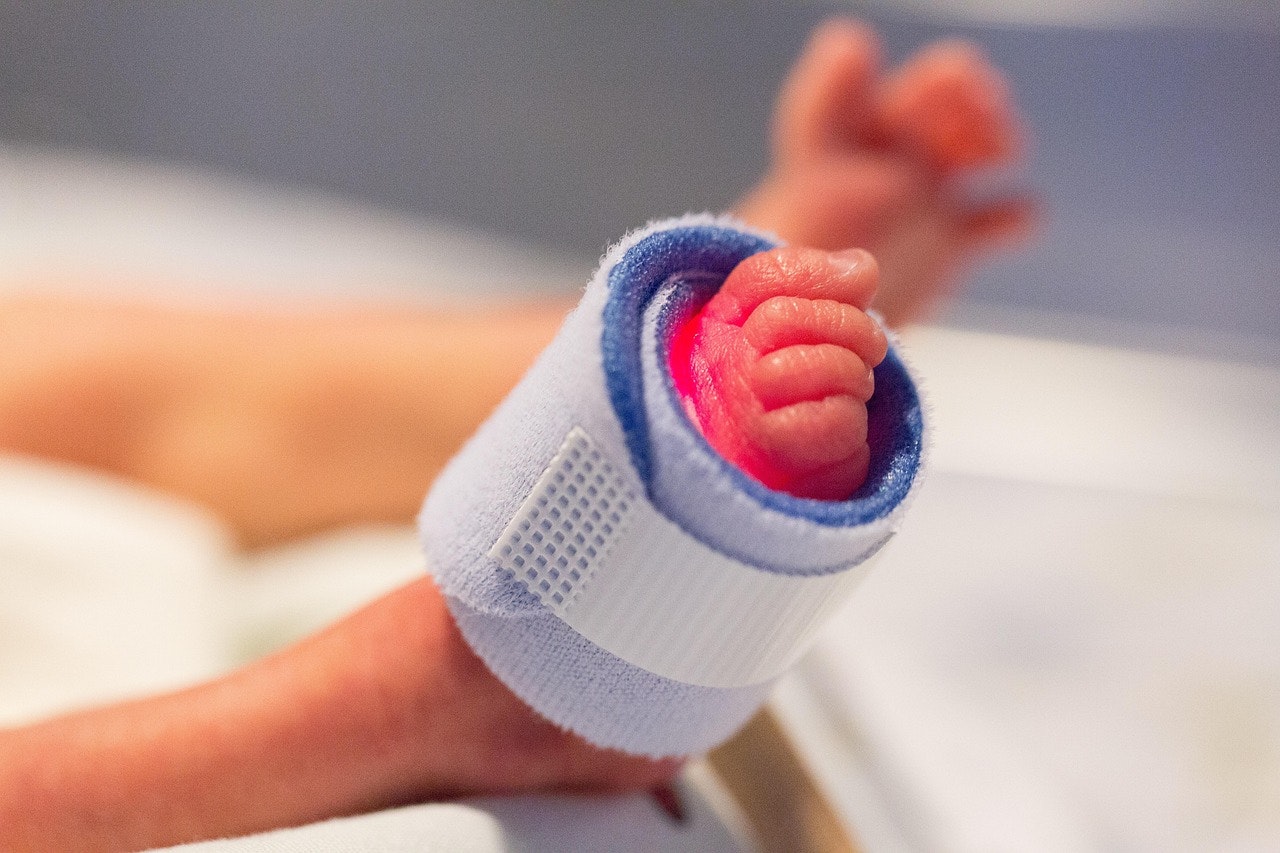
A baby is considered premature when born before 37 weeks of pregnancy. Complications from preterm birth are among the leading causes of death for children under five worldwide. Babies born too early face increased risks of:
-
Breathing difficulties
-
Feeding challenges
-
Infections
-
Long-term developmental delays
-
Vision and hearing problems
But prematurity is not just a neonatal issue. It is often a signal that a mother experienced complications during pregnancy — and those complications matter.
The Link Between Maternal Health and Preterm Birth
Many of the factors that contribute to premature birth are directly tied to a mother’s health and access to care. These include:
-
Untreated infections
-
High blood pressure or preeclampsia
-
Malnutrition
-
Lack of prenatal care
-
Complications requiring early delivery
-
Obstetric emergencies
-
Stress and physical strain
In low-resource settings, limited access to skilled providers and emergency obstetric services can mean that preventable complications escalate — sometimes requiring early delivery to save a mother’s life. In these situations, both mother and baby face heightened risks.
Improving maternal health care before, during, and after pregnancy is one of the most powerful ways to reduce preterm births.
Why Prenatal Care Is Critical
Regular prenatal care allows health providers to:
-
Monitor blood pressure and detect preeclampsia early
-
Screen and treat infections
-
Provide nutritional support
-
Identify high-risk pregnancies
-
Offer guidance on birth preparedness
When mothers receive consistent, high-quality prenatal care, complications can often be managed before they become life-threatening.
Unfortunately, many women around the world lack access to even basic prenatal services. Distance to clinics, financial barriers, cultural stigma, and workforce shortages all contribute to gaps in care. Closing those gaps saves lives — for both mothers and babies.
Emergency Obstetric Care: A Lifeline
Sometimes, despite the best prenatal care, emergencies arise. In these cases, timely access to:
-
Cesarean sections
-
Blood transfusions
-
Skilled surgical teams
-
Newborn resuscitation
can mean the difference between life and death.
When emergency obstetric services are unavailable, mothers and babies are placed at significant risk. Strengthening surgical capacity and ensuring that facilities are equipped to manage complications is essential to reducing maternal mortality and improving newborn survival.
The Postpartum Period Matters, Too
The risk does not end at delivery. Mothers who give birth prematurely may face:
-
Postpartum hemorrhage
-
Infection
-
Emotional distress or postpartum depression
-
Physical recovery challenges
Meanwhile, caring for a premature newborn often requires extended hospital stays and specialized feeding or respiratory support.
Comprehensive postpartum care ensures that mothers recover safely and receive guidance in caring for their newborns. When mothers are supported, babies are more likely to thrive.
Disparities in Prematurity
Globally — and even within high-income countries — not all women face the same risks.
Women living in rural communities, low-income households, or medically underserved regions experience higher rates of both maternal complications and premature birth. Structural inequities, limited healthcare infrastructure, and social determinants of health all play a role.
Addressing prematurity means addressing inequity. It means investing in community-based care, strengthening local health systems, and ensuring that every woman — regardless of geography or income — has access to safe, respectful maternity care.
How Maternal Health Foundation Makes a Difference
At Maternal Health Foundation, our work is rooted in the understanding that healthy mothers lead to healthier babies. By supporting surgical training, strengthening emergency obstetric services, and improving access to maternal healthcare in underserved regions, we help reduce preventable complications that contribute to preterm birth.
When a mother survives childbirth safely and receives quality care:
-
She is better able to care for her newborn.
-
Complications can be treated before they escalate.
-
Long-term health outcomes improve for entire families.
World Prematurity Day reminds us that saving babies starts with protecting mothers.
What You Can Do This November
This World Prematurity Day, you can:
-
Learn about the signs of pregnancy complications.
-
Share facts about maternal health and prematurity on social media.
-
Support organizations working to strengthen maternal healthcare systems.
-
Advocate for policies that expand access to prenatal and emergency obstetric care.
Together, we can reduce preventable maternal complications and give every baby a healthier start in life.
Looking Ahead
Prematurity is a global challenge — but it is not inevitable. With improved prenatal care, access to emergency services, skilled birth attendants, and strong postpartum support, many premature births can be prevented, and outcomes for early-born babies can be dramatically improved.
On November 17, and every day, we stand with mothers and families around the world.
Because when we invest in maternal health, we invest in the future.